
By Rachael Cumberland-Dodd, Brand Builder & Messaging Guide at Feed Marketing
Is your business a blue cup or a green cup? 
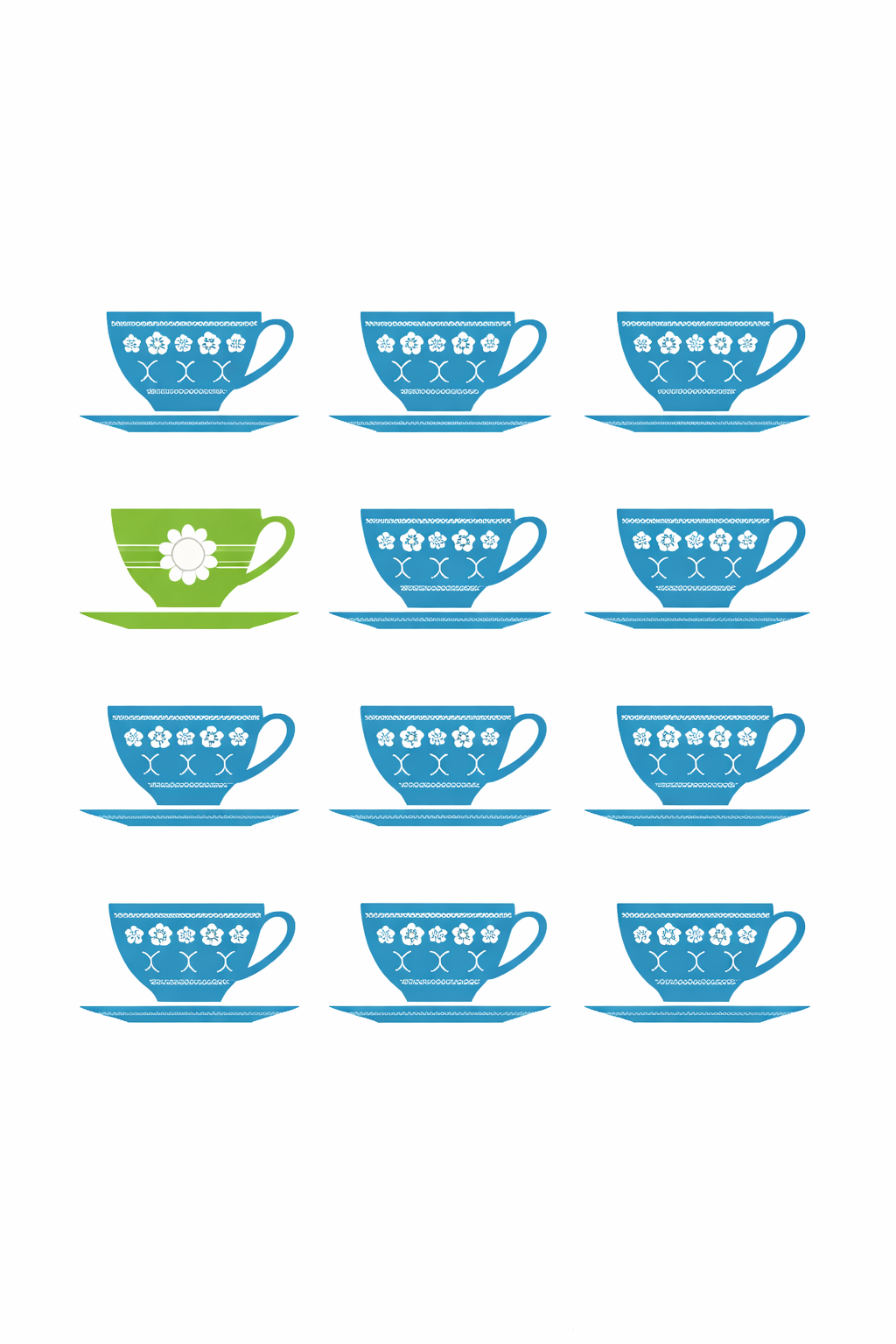
This is how Rachael opened her #GrowMySME talk – with a reminder that too many businesses are blue cups – they’re saying the same things, sounding the same, and looking the same.
When in fact, every business is unique. It’s a microcosm of the founder’s dreams and ambitions, the services it offers, the people it attracts, its culture, stories, and the experience of its team.
Yet open the homepage of any financial adviser, consultant, or professional services firm and chances are they’re all saying something similar — the same messaging, the same colour palette, the same reassuring-but-forgettable tone.
Too many businesses are blending in. And with AI making it easier than ever to churn out content at scale, we’re feeding a race to the middle.
Today, more than ever it’s green cup businesses that will succeed – those who meaningfully and intentionally resonate with the people they want to attract.
The real cost of blending in
When your marketing looks and sounds like your competitors’, a few things happen:
- The right clients don’t recognise themselves in what you’re saying
- Price becomes the only way people can compare you
- Marketing spend gets wasted pushing a message that doesn’t cut through
- You become more vulnerable when customers are watching every pound they spend
The last one matters most right now, because in uncertain times, people spend with organisations they feel something about, not the ones that look like everyone else.
If you look like everyone else, people compare you on price. If people understand your difference, they choose you on fit, trust, and feeling.
Why “tailored, expert, trusted” isn’t enough
There’s a reason so many businesses end up sounding identical: they describe what they do, not what they do for the people they want to attract.
Phrases and messages that sit across countless home pages and proudly announce we offer ‘tailored advice’, we are ‘customer-centric’ tell a potential client about your process, but it doesn’t tell them how they’ll feel after working with you – the impact you’ll have on their work, their life. And that feeling – that emotional outcome, is exactly what you’re ideal clients are buying.
For example: when people choose a financial adviser, they’re not just buying a financial plan. They’re buying relief, a sense of control in a chaotic world, the confidence to enjoy their life without constantly worrying about money. And the feeling of being a responsible adult who’s doing the right thing.
Yet, those things are rarely on the homepage.
“I stopped feeling like this was something I should understand better but never quite got round to.”
“It gave me confidence to enjoy life a bit more instead of constantly worrying”
These are real client verbatims — the kind that surface when you actually ask people what working with you meant to them. No homepage committee would write them. But they’re more compelling than anything produced in a brainstorm, because they’re true.
Everything you need to stand out is already out there
Here’s the good news: you don’t need a rebrand, a new strategy, or a clever strapline session to find your differentiation.
The answer is sitting in the heads of the people who’ve already bought from you.
Your best clients know exactly why they chose you, and they know what nearly put them off. They know what changed after working with you. And they know exactly what they tell other people about you — which is your most powerful marketing, handed to you for free.
Most businesses just never think to ask.
The best thing you can do for your business if you’re doing ‘all the marketing’ and not getting any tractions, new leads or engagement is to speak to your clients.
Four questions worth asking your clients
You don’t need a 17-question survey or a mass focus group. Simply, pick three to five of your best clients – the ones who refer you, who value you, who you’d clone if you could — and have a proper conversation.
Ask these four things:
1. Why did you choose us? You’ll get some functional answers first. That’s fine. Keep going. Ask them to tell you more – they’ll start talking about the real problem they were trying to solve, and the emotional weight behind it.
2. What nearly put you off? This is the question nobody asks. It tells you what fears your marketing isn’t addressing, what assumptions people bring before they even contact you, and what nearly cost you the relationship before it started.
3. What changed for you after working with us? Listen for the emotional shift. Not “you hit the deadline” but “I stopped worrying” or “I finally felt like someone got it.” That’s your real value, and it should be all over your marketing.
4. What do you tell other people about us? This is your referral language, handed to you on a plate. The specific words your clients use when they recommend you will always be more credible and compelling than anything you’d produce in-house.
From their words to your marketing
Once you have those conversations, look for patterns. What feelings come up again and again? What problems did people have before they found you? What do they say changed?
That insight feeds directly into three places:
Your homepage. Ask yourself: could your three nearest competitors say exactly this? Does this describe what you do — or what it does for your clients? If a complete stranger read this, would they feel anything at all?
Your intro. Instead of “I’m a marketing consultant,” try: “I work with business leaders who are brilliant at what they do — but struggle to explain why anyone should choose them over others.” Specific, outside-in, immediately resonant.
Your content. Mine the interviews for the worries, misconceptions, and questions clients had before they bought from you. What nearly stopped them? What did they wish they’d known sooner? That is your content plan — and it will land far better than generic tips.
What this looks like in practice
A pet photographer in Canada repositioned from “nice dog photos” to photography for dogs with big personalities — because that’s what her best clients kept telling her she did brilliantly. Different market, completely different enquiries.
An accountancy firm in Northern Ireland stopped marketing to “small businesses” and started positioning themselves for ambitious founders who needed a more hands-on, regular relationship. Same service, sharper positioning, right clients.
In both cases, they didn’t invent their positioning. They listened to the people already buying from them — and doubled down on it.
Where to start this week
- Book three coffee dates with your favourite clients. Use the four questions above.
- Audit your homepage. Read it as a stranger would. Does it describe you — or does it describe what changes for the people you work with?
- Look at your reviews and testimonials. The language people use when they talk about you unprompted is marketing gold. Are you using any of it?
The businesses that stand out aren’t doing more. They’re saying something more specific, more honest, and more attuned to the people they serve.
For more on how to be a green cup business, view the full presentation.
Rachael works with SMEs, and professional services businesses to find what makes them genuinely different — and turn it into marketing that gets them seen, chosen and referred. Get in touch at rachael@feedmarketing.gg
